Category: Prescription Drugs

  • FDA Drug Approval

    The Food and Drug administration is responsible for approving prescription and non-prescription drugs for use. This is done through one of the six centers in the FDA called the Center for Drug Evaluation and Research. The other centers are responsible for medical and radiology devices, food and cosmetics, biologic agents, veterinary drugs and tobacco products. Since 1992 over 1,000 new prescription drugs have come to market. So far in 2016 there have been 6 new drugs and in 2015 there were 45. Over the counter medications are handled differently than prescription medicatons. In those cases the FDA only reviews the active ingredients. There are over 30,000 non-prescription drugs on the market.

    The table below shows the process, cost and time required for new prescription drug approval. Compounds that potentially have pharmacologic effect are studied in animal models. If they prove promising then an investigational new drug (IND) application is submitted. The FDA has 30 days to review the application and, if needed, put a “clinical hold” on the process to discuss concerns with the applicant. An IND is required to do phase I studies in humans. Phase I studies determine if the compound is safe in humans, side effects and the metabolism and excretion mechanisms. Typically 20-80 healthy volunteers are used.

    An Overview of the Drug Development Process
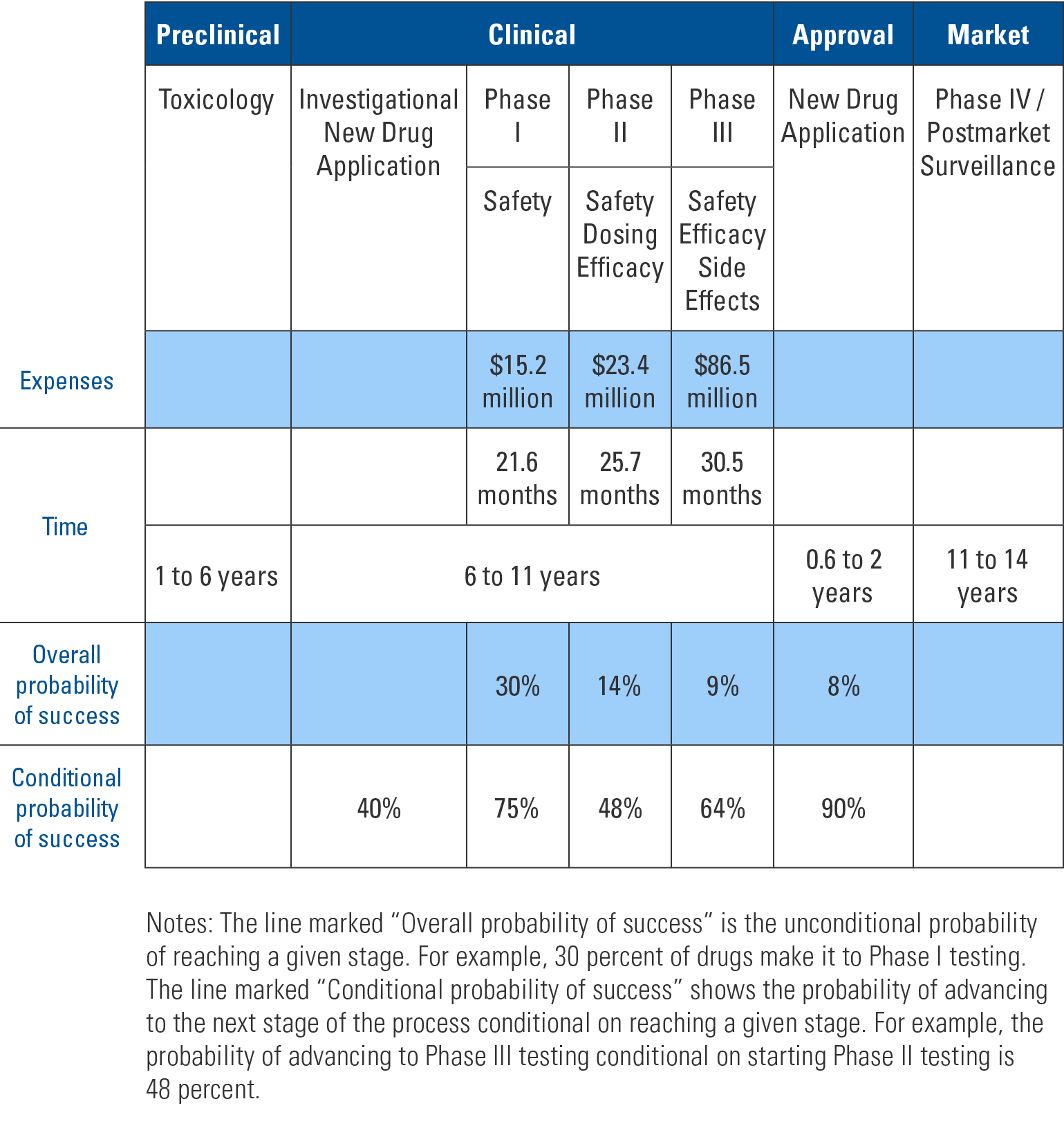
    Table showing the FDA Drug Approval Process. Broken into Preclinical, Clinical, Approval and Market phases highlighting expenses, time, overall probability of success and conditional probability of success.


    Additionally, before any clinical trial can be done, each study must be approved by an institutional review board (IRB). The IRB is not overseen by the FDA but rather the institution at which the trial is to be performed. The panels are comprised of medical and lay people. They review the studies to ensure safety to participants and that adequate informed consent is obtained.

    If phase I studies are positive then phase II studies begin. This phase examines effectiveness of the drug for particular conditions. The drug is compared to either placebo or a similar drug already on the market. These studies involve around 300 participants. Again, if results are positive, then phase III trials are performed. The FDA and drug sponsor agree on large-scale studies to determine safety and effectiveness. Typically trials consist of a few hundred to 3,000 people.


    “Once a drug is approved it must also undergo phase IV post-marketing surveillance. This is to ensure that when used on a wider population the drug does not cause previously unfound side effects and further verify efficacy.”


    After successful phase III studies, a new drug application (NDA) is submitted to the FDA. This application reviews manufacturing specifications, drug stability and bioavailability for each of the dosage forms. Also reviewed are results of toxicological studies and the packaging and labeling for both consumers and prescribers. The goal of the FDA is to decide within 60 days if the NDA can be filed or is incomplete. If filed, the application with all previous studies is sent to committee for final decision. Inspection of the manufacturing facilities is included as part of this NDA process.

    Once a drug is approved it must also undergo phase IV post-marketing surveillance. This is to ensure that when used on a wider population the drug does not cause previously unfound side effects and further verify efficacy.

    As shown in the table, most compounds do not make it past initial animal studies and even those that do face a steep uphill battle to pass subsequent stages. Even with such rigorous pre-market testing some approved medications are shown to cause harm or not be effective in phase IV surveillance and are withdrawn from the market.
  • What is the Best Way to Dispose of Unwanted Medication?

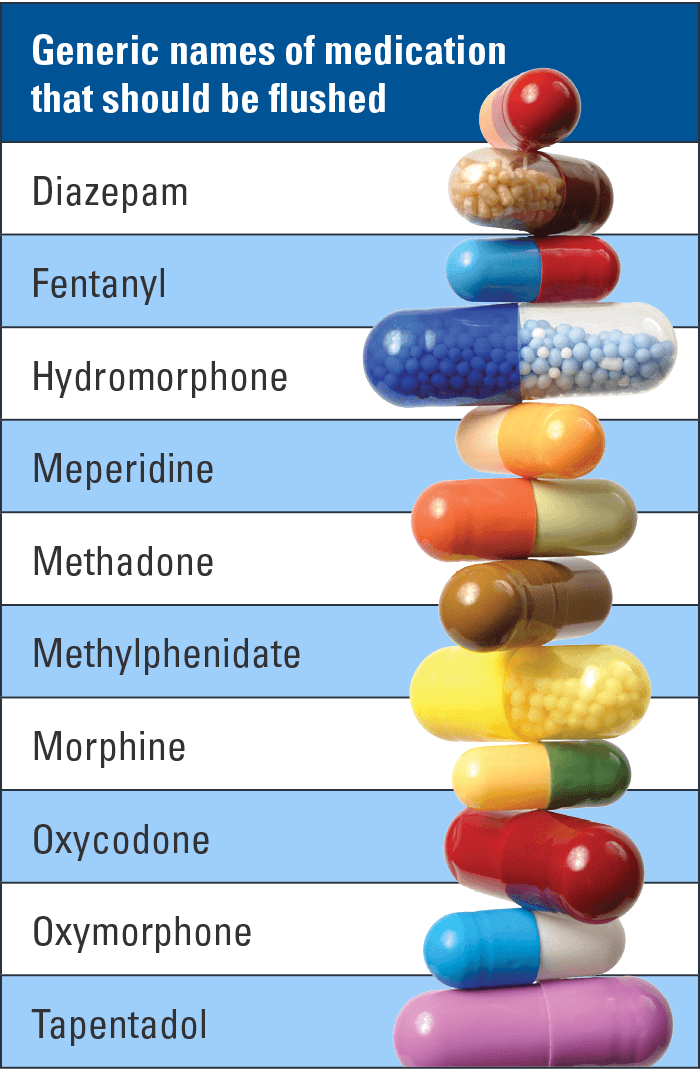
    Generic names of medication that should be flushed: Diazepam; Fentanyl; Hydromorphone; Meperidine; Methadone; Methylphenidate; Morphine; Oxycodone; Oxymorphone; Tapentadol;

    In this age of green living, one often wonders how to responsibly dispose of medications. Although there is concern that medications flushed down the toilet contribute to water pollution, it turns out that much more medication reaches the water supply after ingestion into the human body and excretion as waste. Therefore, the best way to limit waste is to live healthy, thereby limiting the need for medications. When medications are needed one should use care not to overstock. If your medication expires, some are best flushed while others should be put in the trash. The FDA recommends flushing controlled substances down the toilet (see list). Beware that patches still contain significant amounts of active medication that can be harmful if applied or ingested by children or animals.


    “When medications are needed one should use care not to overstock. If your medication expires, some are best flushed while others should be put in the trash.”


    Other medications should be removed from containers, mixed with coffee grounds or kitty litter and sealed in a plastic bag before placing them in the garbage. This makes it unpalatable for the meds to be recovered and then ingested. The empty bottle should have personal identifying information scratched off prior to disposal or recycling. 

    Alternatively, some pharmacies will take back medications. See DisposeMyMeds.org for a store locater. The FDA also has take back days. These events can be found here.

  • Adverse Drug Events

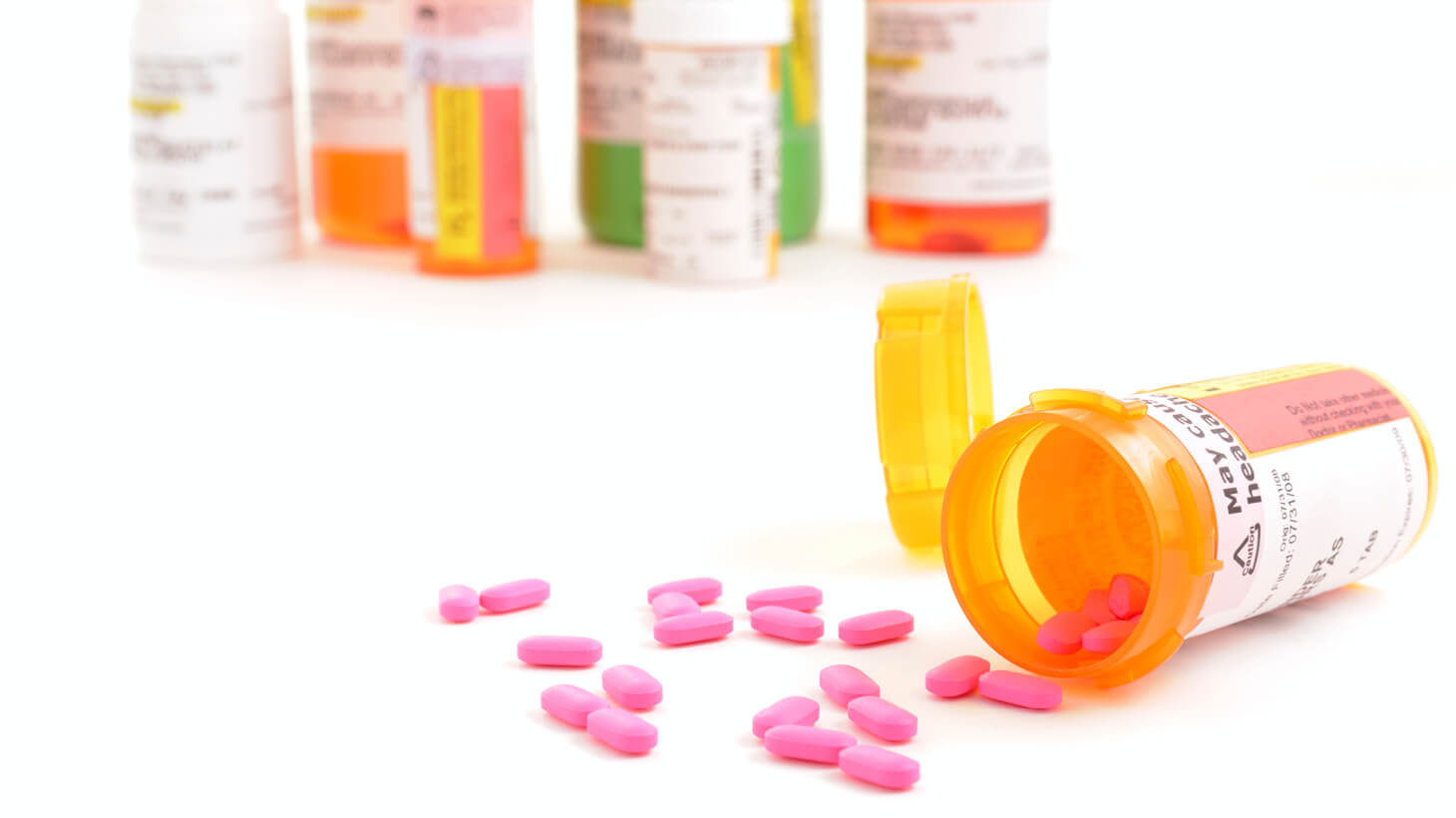
    Prescription pill bottles and pink pills

    There are more than 1,400 unique drugs available for human use, and along with their many benefits come risks. An adverse drug event (ADE) is an injury caused by a medication. The Office of Disease Prevention and Health Promotions estimates that ADEs result in 125,000 hospitalizations and 3.5 million office visits per year. One mechanism for reducing ADEs is the FDA’s approval of drugs.

    The FDA approves drugs for specific uses based upon rigorous studies. However, clinicians are not limited to prescribing for those specific uses and may prescribe medications “off-label.” Drugs may be used for other conditions that have not been approved by the FDA. An example is gabapentin which is FDA approved to treat seizures and pain from shingles. It is commonly used off-label to treat pain due to pinched nerves in the back. Some off-label uses have been well studied, but the manufacturer has not received FDA approval for that use, while some off-label uses are not as well studied.


    “The FDA approves drugs for specific uses based upon rigorous studies. However, clinicians are not limited to prescribing for those specific uses and may prescribe medications “off-label.” Drugs may be used for other conditions that have not been approved by the FDA. ”


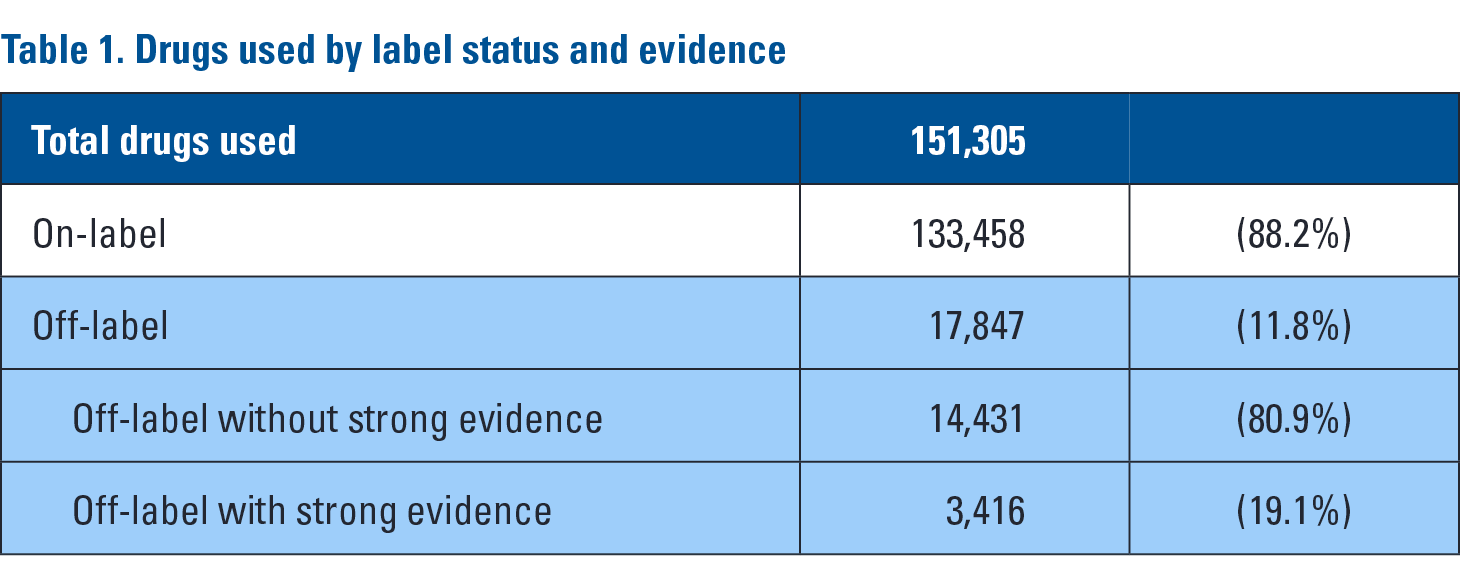
    A study done in Canada evaluated on- and off-label drug use and the risk of ADEs. 46,000 patient charts in Quebec were reviewed for visits between 2005 and 2009. Canada is conducive to this type of study because electronic records there require documentation of indication for a prescription, reason for dose change or discontinuation and nature of adverse event if it occurred. Off-label use was further classified into prescriptions with or without strong evidence for off-label use, as shown in Table 1.

    Table 1. Drugs used by label status and evidence

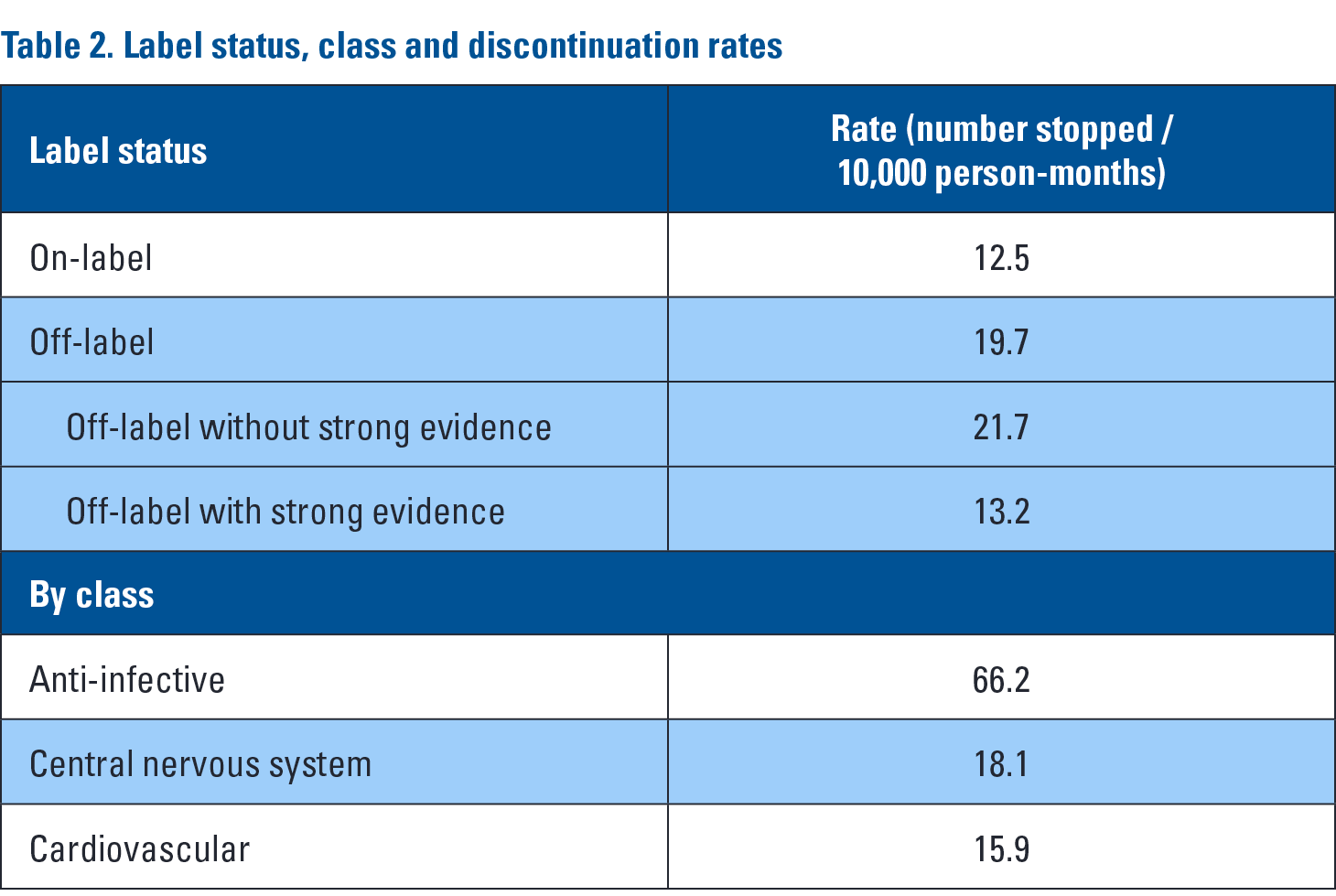
    Over 150,000 medications were prescribed in the study — 88% were on-label use while 12% were off-label. The off-label prescriptions had good evidence for use 19% of the time. Table 2 shows discontinuation rates for adverse events based on label status. The study found a significant increase in adverse events for off-label vs on-label prescribing (19.7 vs 12.5 adverse drug events/10,000 patient-months.) Sixty percent of the prescriptions that were stopped did not have good evidence for off-label use. Women had more events than men (14.3 vs 11.7) and there was a five-fold increase in adverse events in people taking eight or more drugs compared to one or two drugs. Medications approved after 1995 were more likely to involve adverse reactions compared with older medications.

    Table 2 Label status class and discontinuation rates

    Proponents of limiting off-label prescribing view this study as strongly supporting prescribing limits to only FDA-approved indications. Others look at the same data and say that FDA approval is hindering proper prescribing as it is very difficult to get new indications for old drugs and that with good evidence, drugs can be used for more than current FDA indications.

    Before long, all electronic prescriptions will be required to have the diagnosis associated with the prescription, allowing easier categorization of on-label or off-label use. While this may decrease off-label use, patients may find that they cannot get a medication that they have successfully used previously to treat a condition.