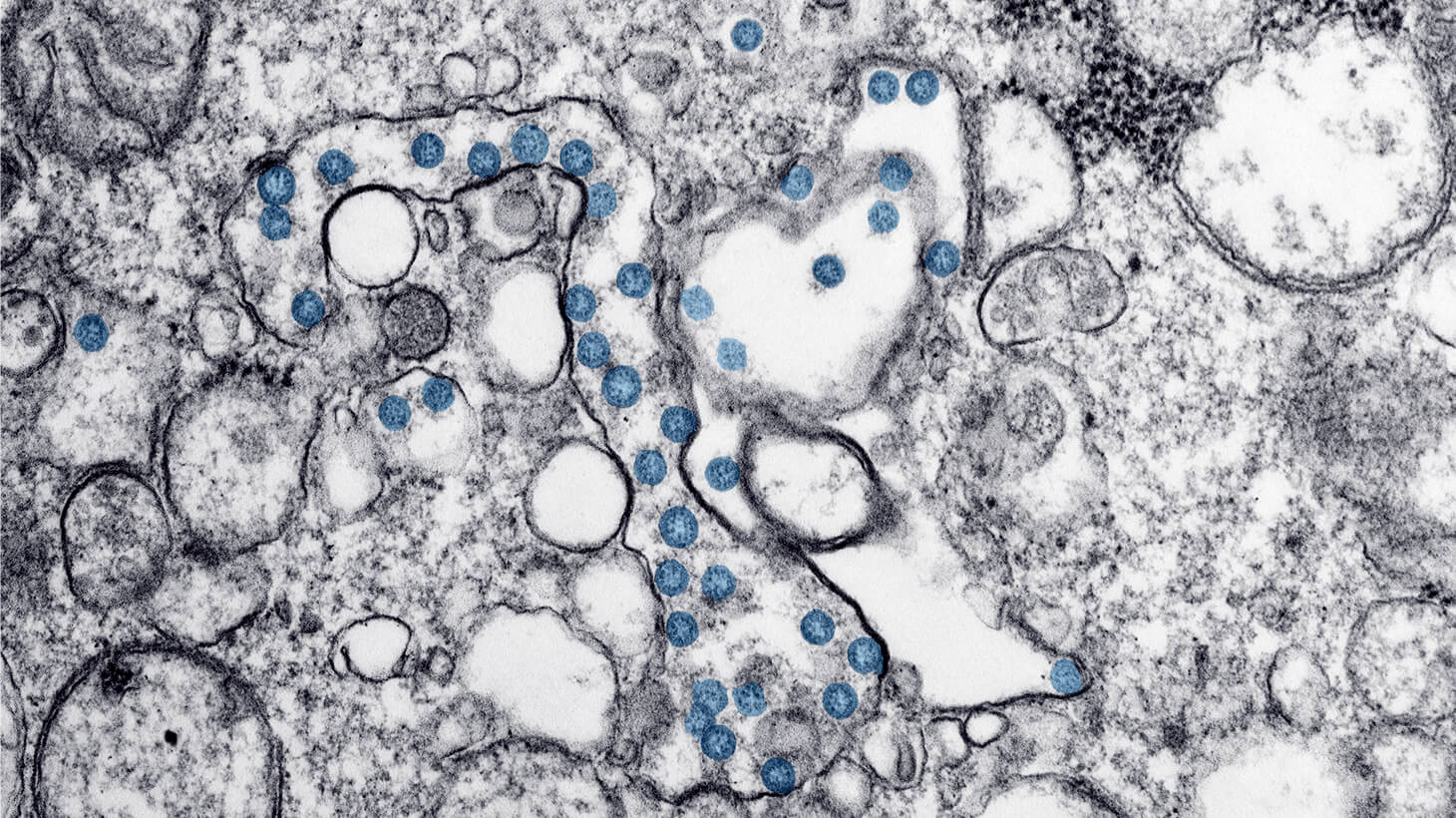
Photo: Hannah A Bullock; Azaibi Tamin
There are increasing reports in the news media about the coronavirus and its spread. While it is important to stay informed, there is no reason to panic. To put it in perspective, current data suggests that the mortality rate for those infected with coronavirus is about 2%, while for the current influenza season, the percentage of deaths related to influenza and pneumonia is 6.8% (data from the Centers for Disease Control and Prevention). The threshold for calling infections an epidemic is 7.3%.
As of February 25, 2020, in the United States 416 people have been tested for coronavirus and there are 14 confirmed cases — 12 from travel and two from person-to-person spread, but no reported deaths. On average, there are between 30,000 and 50,000 deaths each year in the United States that are attributable to influenza.
–
“If you have symptoms and believe you are at risk of coronavirus infection, call your doctor before going in. The determination will then be made as to the best course of action. Home treatment is appropriate for some people, but not for others.”
A few things to know:
The virus is spread by respiratory droplets. This means that coughing and sneezing spread the illness. Handwashing and covering one’s mouth when coughing and sneezing helps prevent transmission.
Wash hands with soap and water for at least 20 seconds or use alcohol-based hand sanitizers with at least 60% alcohol content.
The virus presents with fever, cough and shortness of breath. The current belief is that people with these symptoms and who travel or have had known contact with recent travelers are at risk.
If you have symptoms and believe you are at risk of coronavirus infection, call your doctor before going in. The determination will then be made as to the best course of action. Home treatment is appropriate for some people, but not for others.
There is no known medication for treatment at this time. The recommended treatment is supportive care.
If you would like to read in more detail, the Centers for Disease Control has a trove of information, which can be found here.
Update 2/28/2020
As cases continue to grow globally, it is expected that more travel advisories and restrictions will occur. According to the CDC site as of February 27, China and South Korea are at a warning level 3 which means to avoid all non-essential travel. Iran, Italy and Japan are at an alert level 2. Older adults and people with chronic medical conditions should consider postponing non-essential travel. The CDC has Hong Kong at a watch level 1 and usual precautions are indicated.
Also as of February 27, Singapore, Thailand and Taiwan are other places with potential for community spread of the disease. All of these recommendations are changing rapidly as more cases are identified.
Update 3/1/2020
The number of cases in the United States continues to increase with one report now at 74 cases nationally including 3 presumptive cases in Illinois. As the U.S. has a limited supply of test kits, and there is evidence of community spread, the number of infected people is likely higher. Likewise, the death rate is likely lower than reported given mild and un-diagnosed cases. As of now, no updated numbers are on the CDC website.
Anyone with symptoms such as fever, cough and shortness of breath should stay home and avoid work, school or public places including public transportation, ride-sharing or taxis. Persons with symptoms should also avoid others in the home. The CDC recommends staying away from pets although no transmission to or from pets has been documented. The World Health Organization does not recommend isolation from pets.
The incubation period (time of exposure until symptoms) is between one and fourteen days with an average of five days.
Decision to travel should take into account destination and current state of knowledge. Additional consideration should be given to potential risk from quarantine and difficulty returning.
Update 3/3/2020
The CDC is now only updating their website on Mondays, Wednesdays and Fridays. Projections are that there will be up to one million test kits available in the United States in the next 1-2 weeks. This is compared to the few thousand tests that have been available so far. As a result it is reasonable to expect a large number of new cases to be diagnosed.
According to an editorial in the Journal of the American Medical Association last week, preliminary data show the incubation period may be up to 24 days and the potential secondary cases from a single infected person is two or three people.
Based upon 4 patients in China, it may be possible that some patients who have clinically recovered from the disease continue as carriers.
It remains to be seen how much information will be reported by the CDC as new information emerges. We will need to rely on other credible sources in addition to any CDC reports.
Update 3/8/2020
The CDC is now back to updating their website daily on weekdays. The one million test kits promised have not materialized but continue to be promised. There are varying reports of the number of tests available and the actual number completed. There are approximately 105,000 cases worldwide with over 500 suspected or confirmed cases in the United States. There is limited new guidance from the CDC and continues to be conflicting reports from the government.
As spring break is fast approaching for many people, there are questions about what to do with plans. Other than the countries previously listed there are no new countries on the watch list. It is still expected that new cases will be found worldwide. Over 100 countries are now affected. Although not an official recommendation, I would advise against international travel. Domestic travel should be considered on an individual basis. Older people and people with underlying cardiac, pulmonary, diabetic or immuno-suppressive illness are at higher risk of contracting more severe disease. It would also generally be reasonable to avoid large gatherings which has been arbitrarily defined as over 50 people.
The World Health Organization is also producing daily situation updates which can be found at:
https://www.who.int/emergencies/diseases/novel-coronavirus-2019/situation-reports/
Update 3/13/2020
As expected the number of cases is growing. This trend will continue and likely accelerate here in the United States as more testing comes on-line.
A research letter in Jama published on March 11 looked at 205 patients who had multiple specimens taken. Virus was found broncho-alveolar lavage specimens, nasal swabs, pharyngeal swabs, feces and rarely blood. No virus was found in urine. This information furthers our knowledge about the virus and re-enforces the need for proper hygiene.
Governor Pritzker has ordered all Illinois schools closed until March 30. It remains important that everyone avoid large gatherings in order to contain spread of the disease and avoid personal illness. There is no defined number of a large gathering. It now seems that 50 is too large for the definition. Perhaps 10-15 is a better number to use, but this also should take into account the distance between people. Six feet is considered a safe distance to avoid spread of the virus.
It is prudent to avoid non-essential travel, particularly long-distance travel. If you are unsure of your plans, you should consult a physician.
No one can accurately predict the duration of the outbreak, but with proper measures, it could be contained, not eradicated, in a few months. This is based upon experiences in China. Here in the United States we will likely follow the path of China and Europe.
During this time of increased stress it is important to still think about general health. Do not stop chronic medications and if unsure about taking over the counter medications, consult your physician. Physical activity remains important for physical and mental health. While I recommend avoiding health clubs, walking, running, biking and other outdoor or home based exercise is another way to maintain activity.
COVID-19 Fact Sheets from the Centers For Disease Control and Prevention (CDC)
What you need to know about coronavirus disease 2019 (COVID-19) Download PDF
What to do if you are sick with coronavirus disease 2019 (COVID-19) Download PDF