
Tag: Antibiotic Resistance

  • Limiting Antibiotic Use

    One of the best ways to limit antibiotic resistance is to decrease antibiotic use. Most infections either are not or cannot be cultured before deciding on the need for antibiotic treatment. Therefore, the conundrum is avoiding prescriptions for non-bacterial infections while not missing antibiotic treatment when needed. Physicians are also concerned about patient perceptions and satisfaction with care, which leads to more prescriptions than necessary. In 2010, there were 258 million courses of antibiotics which is equivalent to 833 prescriptions per 1,000 people.


    “Each year in the United States, 41.2 million prescriptions are written for acute respiratory infections — of which half are inappropriate.”


    Generally, upper respiratory infections are viral. Even most sinusitis and bronchitis are self-limited when bacterial, and symptoms should resolve in 10–14 days without treatment. Moderate to severe infections may warrant antibiotics. Each year in the United States, 41.2 million prescriptions are written for acute respiratory infections — of which half are inappropriate. 69% of acute adult respiratory infections were treated with antibiotics during the winter of 2009–2010.

    In one study, a signed-commitment poster with a picture of the physician along with a letter explaining reasons and commitment to responsible prescribing was put in the exam room for three months. Prescription antibiotic use decreased almost 20% compared to a control group of physicians without the posters in their exam rooms.

    A British study examined immediate versus delayed antibiotic prescriptions for respiratory infections. There were no statistical differences in symptom severity, duration or temperature. 97% of the immediate-prescribed antibiotics were taken compared with 33–39% in various delayed-arm strategies. People who used antibiotics in the delayed-arm took them four days later. The study concluded that delayed prescribing helps to decrease antibiotic use while not causing any harm and with no significant effect on patient satisfaction.

    These studies show there are various ways to decrease antibiotic use. This will help slow the emergence of resistant bacteria.
  • Skin Cleaning

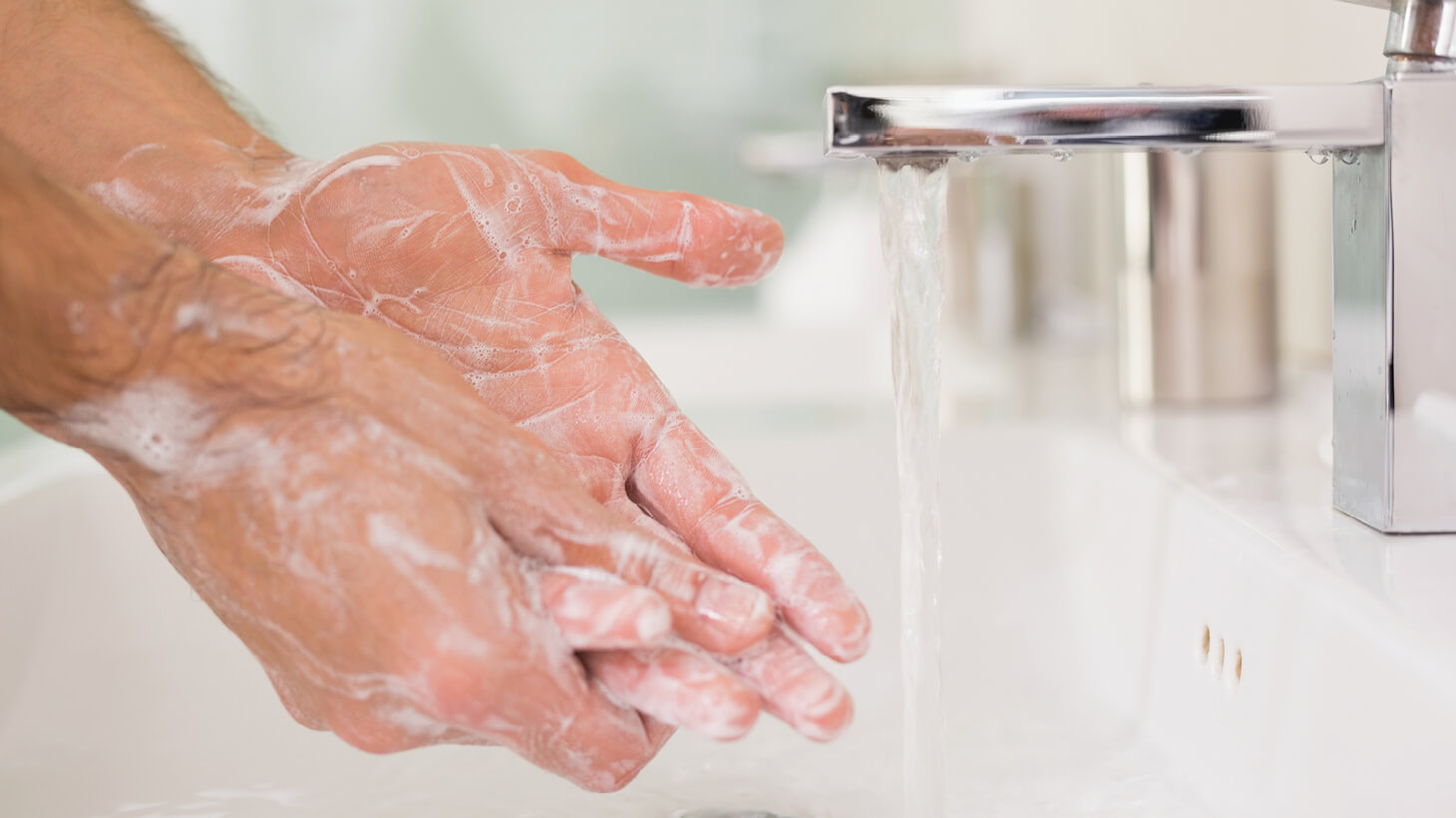
    Although we think of antibiotics as benign, one in five emergency room visits are for antibiotic-adverse effects. These include allergic reactions, clostridium dificile infection and drug interactions. Good hygiene decreases risk of infection. 


    “We need some bacteria for normal function so our aim should not be to eradicate all bacteria. Just as with the rest of the world there is an ecological balance that is beneficial.”


    When soap and water are not available, alcohol-based hand sanitizers are a good alternative. Sanitizers with 60-95% alcohol are more effective than less potent or non-alcohol based products. The less potent products may also promote resistance by reducing but not killing the bacteria. They also cause more skin irritation. Heavily soiled or greasy hands should be cleaned with soap and water as other sanitizers become less effective in these settings. Of note, alcohol hand sanitizers are not effective against clostridium dificile. 

    We need some bacteria for normal function so our aim should not be to eradicate all bacteria. Just as with the rest of the world there is an ecological balance that is beneficial. Fighting antibiotic resistance is a battle that will never be won, but there are steps we can all take to limit the problem of resistant pathogenic bacteria. 

  • Antibiotic Resistance Threats

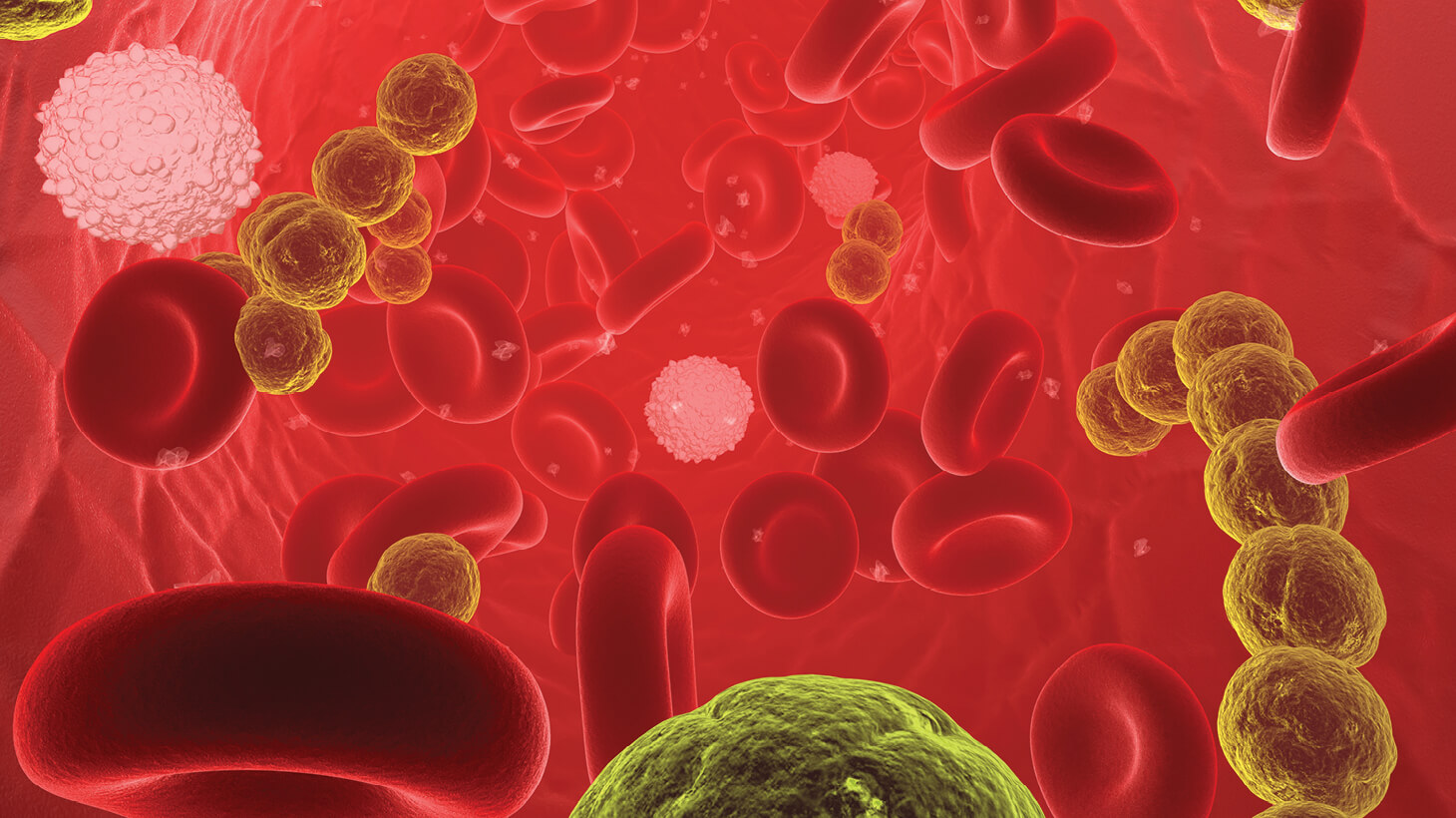
    Antibiotic resistance is defined as a bacteria which is resistant to one or more antibiotics used to treat it. While it is a growing problem, steps can be taken to minimize the spread. The first identification of penicillin antibiotic resistance was in 1940, even before the first use of penicillin in 1943. Although this is an old problem, the Centers for Disease control came out with their first comprehensive report on the topic in 2013. Annually, at least two million people in the United States get antibiotic-resistant infections and 23,000 people die. The estimated treatment cost is $20 billion and lost productivity is $35 billion in 2008 dollars.

    Besides human use, animal use for food production also causes antibiotic resistance. More antibiotics are used in food production than for human use, but we will not address that here other than to report that the FDA has issued guidance regarding animal use.

    The CDC report categorized threats as urgent, serious or concerning. Threats were categorized by expert opinion based on clinical and economic impact, incidence, 10-year projected incidence, transmissibility, availability of effective antibiotics and barriers to prevention.


    “The best known methods to prevent antibiotic resistance is to prevent infections through hand washing, safe food preparation and vaccination, when available.”


    Clostridium dificile is one bacteria listed as an urgent threat — it causes watery diarrhea. People are infected when they take antibiotics that change the natural flora of the gut, allowing bacteria to flourish and secrete toxins into the gut. Although resistance is not significant at this time, it was listed as an urgent threat due to its relation to antibiotic use in general. Clostridium causes at least 250,000 illnesses and 14,000 people die from it each year. As with many infections, older, immunocompromised patients are more susceptible.

    Methicillin-resistant staphylococcus aureus (MRSA) is listed as a serious, not-urgent threat despite the widespread news coverage. This is due to decreasing number of infections and newer effective antibiotics.

    The best known methods to prevent antibiotic resistance is to prevent infections through hand washing, safe food preparation and vaccination, when available. Additionally, the CDC tracks resistant bacteria in order to prevent spread. Improving use of antibiotics only for appropriate indications and developing new antibiotics and tests for resistant bacteria will also help fight resistance. Even when antibiotics are used for the proper indications, resistance is increased. Thus reducing overall use will decrease the speed of developing resistance.