Tag: Travel Vaccinations

  • Mosquito-borne Illness

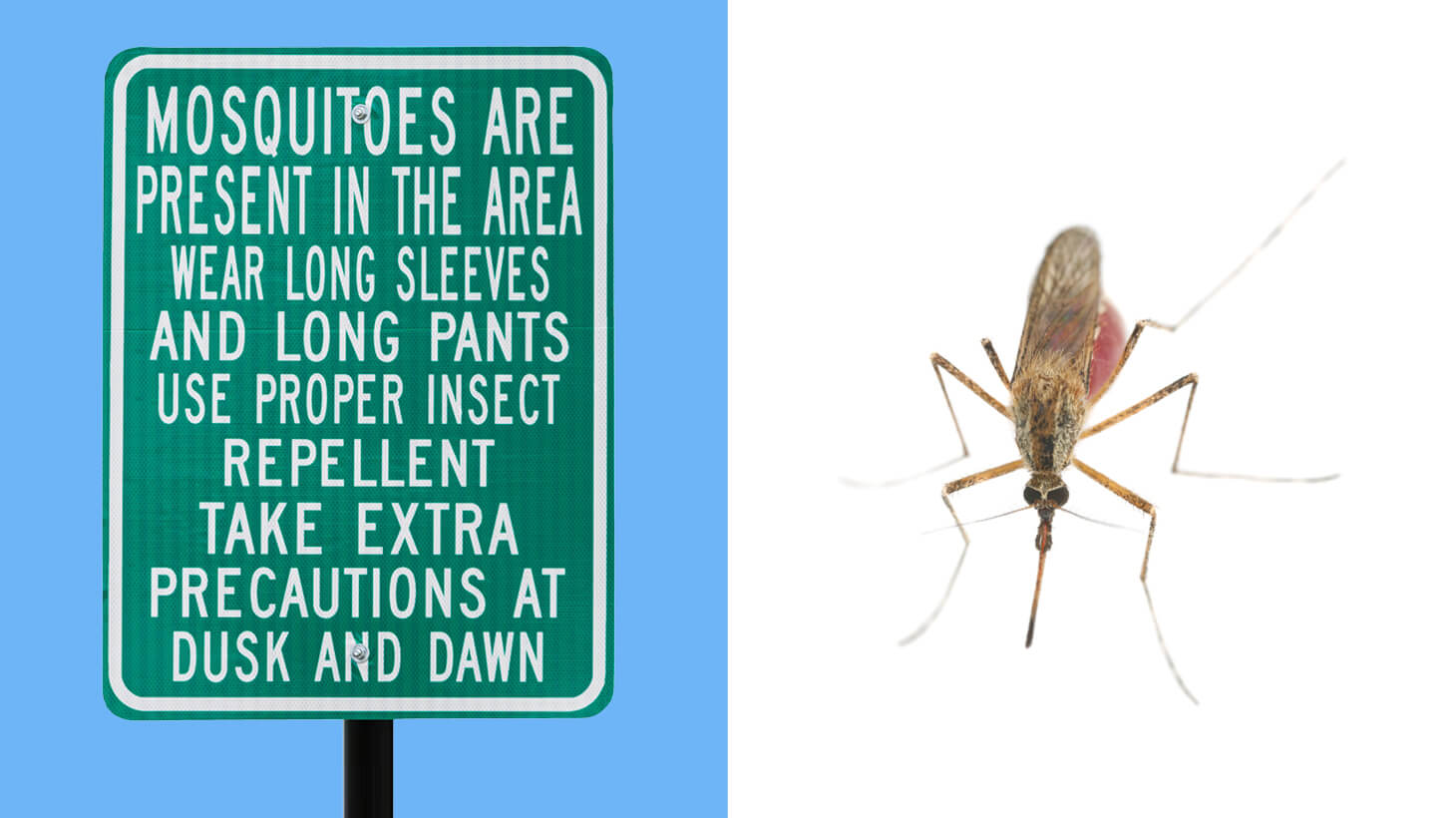
    Mosquito warning sign and mosquito


    “Avoiding mosquito bites is your best prevention from viruses. Keep window and door screens in good repair, remove standing water, wear long sleeved shirt and pants and use bug repellent.”


    Although Zika is in the news today, there are a number of other mosquito-borne illnesses. Mosquitos can carry viruses and parasites, and can cause bacterial skin infections due to skin penetration. There are 3,500 species of mosquitos, but only a few that are associated with human infections.

    Malaria is the most common parasitic infection and causes 198 million cases a year world-wide. Only 1,500 cases occur in the United States from travelers to sub-Saharan Africa and South Asia. It is carried by the Anopheles mosquito.

    West Nile virus, which was heavily reported in the news, only caused 2,060 reported cases in 2015 and 119 deaths. In comparison, influenza and pneumonia cause over 56,000 deaths in the United States per year. Typical symptoms of the viruses may include fever, chills, muscle aches, joint aches, headache, fatigue, nausea, vomiting, diarrhea or rash, depending upon the agent. The table below shows the common viruses. Most cases of West Nile virus, Yellow fever, Japanese encephalitis, and St. Louis encephalitis are asymptomatic (don’t cause any symptoms) and resolve completely. Chikungunya can cause joint pains for months after infection and yellow fever can cause ongoing fatigue for weeks. Up to half the cases of Japanese encephalitis and survivors of Eastern equine encephalitis have long-term neurologic effects.
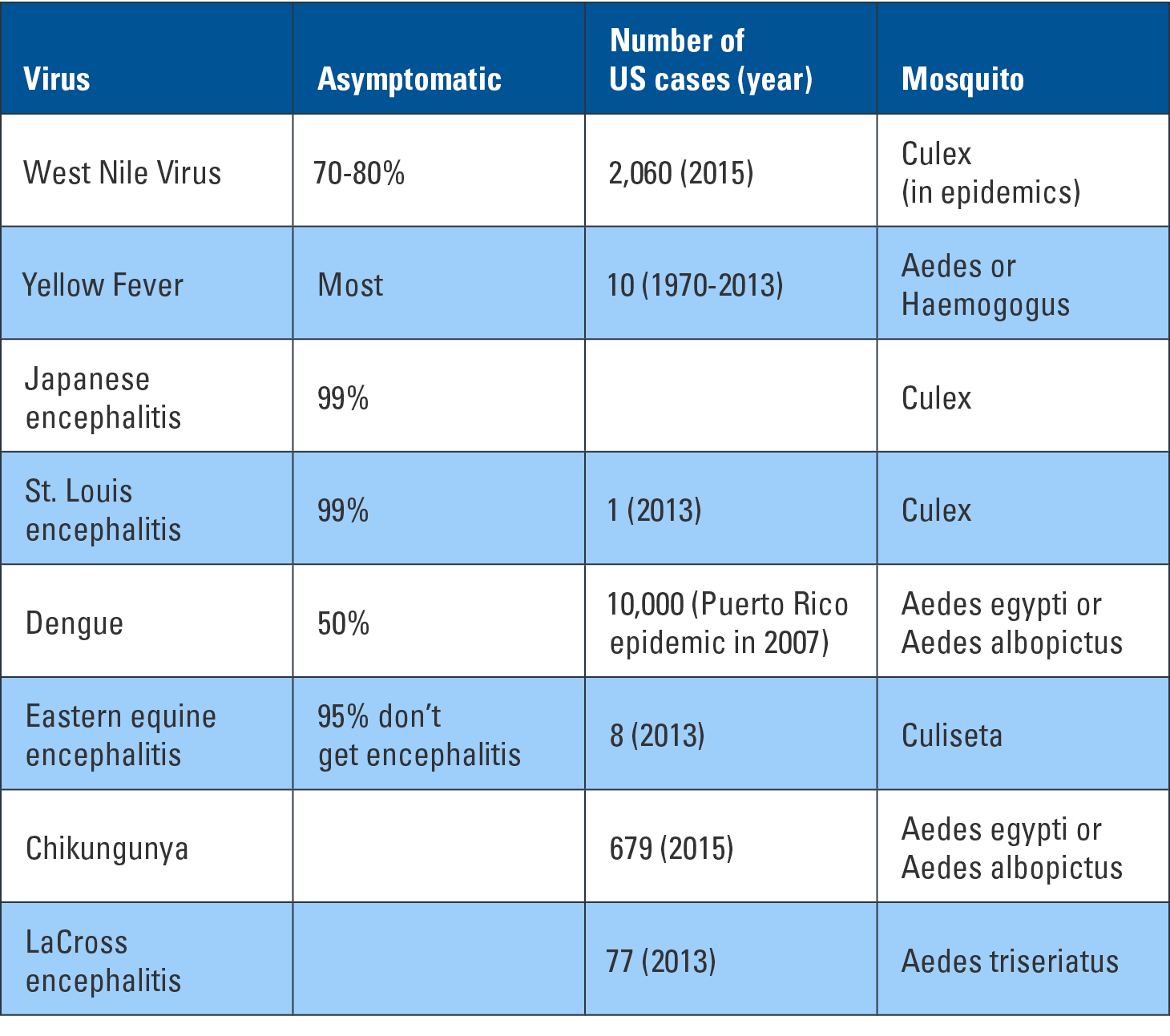
    mosquito borne illness chart

    Avoiding mosquito bites is your best prevention from viruses. Keep window and door screens in good repair, remove standing water, wear long sleeved shirt and pants and use bug repellent. Travelers can be immunized for Yellow Fever and Japanese Encephalitis, while prophylaxis is available for Malaria.
  • Trip Preparation

    Trip planning is exciting, but also entails a lot of work. If traveling out of the country it is prudent to review health needs a few months in advance. Travel to developed countries generally does not necessitate vaccinations ahead of time. Developing and third-world trips, however, may require a number of vaccinations prior to leaving to protect against disease transmission from various sources including mosquitos, animals, and food or waterborne illness. The need for vaccination may also depend on the duration of the trip and activities planned.


    “Whether at home or traveling, keeping a list of prescription medications and dosages in your purse or wallet is always a good idea.”


    Some possible vaccinations include hepatitis A, hepatitis B, malaria prophylaxis, and yellow fever. Planning for these should be done at least a month before departure. Routine immunizations should also be reviewed such as influenza, pneumonia and diphtheria-tetanus-pertussis. Sources to check regarding immunization need include the travel agent or tour group, the Center for Disease Control website, and of course, your physician. Treatment can be done in the office or, depending upon the vaccination, a travel clinic. If traveling to areas with high risk of bacterial associated traveler’s diarrhea discuss bringing an antibiotic with your doctor. Whether at home or traveling, keeping a list of prescription medications and dosages in your purse or wallet is always a good idea.

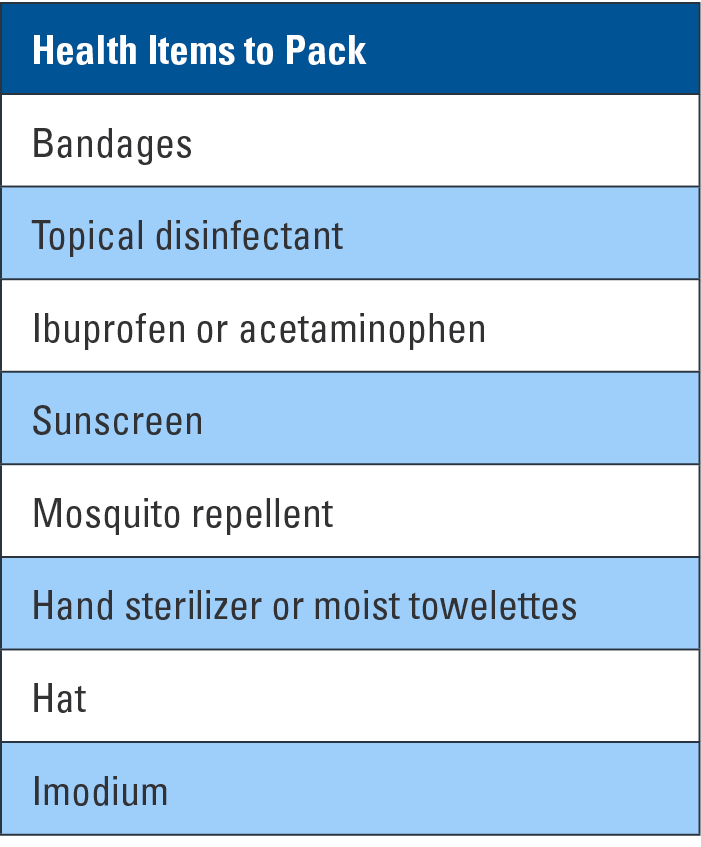
    Health Items Packing List

    Remember to pack first aid items such as bandages, topical disinfectant, an anti-inflammatory such as ibuprofen, sunscreen and mosquito repellent. See chart for a more complete list. Prescription medications should be in your carry-on in the original labeled containers. Bring enough for the days you will be away plus a few more days in case of unforeseen travel delays or dropped pills.

    Trips that cause immobility for prolonged periods regardless of mode of travel (plane, car, bus) increase the risk of blood clots in the legs. The World Health Organization estimates a doubling of risk in people who are continuously seated for four hours or more. The risk does not decrease back to baseline immediately after the flight, taking about 2 weeks to normalize, according to an article in the British Medical Journal (BMJ 2003; 327:1072). Maintaining hydration with non-caffeinated, non-alcoholic beverages and exercising calf muscles by flexing and extending at the ankles or walking about helps to decrease the risk. Compression stockings are also helpful.